

“Technique is the foundation of a player’s talent, much like how a writer needs a rich vocabulary to express their thoughts effectively.
A footballer with limited technical skills may struggle to execute their ideas, regardless of their understanding of the game.”
– Arsene Wenger
WIA PLAYER DEVELOPMENT MODEL
WIA’s philosophy centers on passing, position and possession.
Across the club, teams share a common style of play: structured possession, intelligent movement, and purposeful passing. Players are introduced to the WIA way early, helping them understand how to think, move, and play within a clear football framework as they progress through the club.
Our programs develop the whole player across four key pillars: physical literacy, technical ability, tactical understanding, and psychosocial growth. Guided by age-appropriate periodization principles, training is purposeful, engaging, and designed to help players become confident, creative, capable, and knowledgeable within the game.
The Game Is the Reference Point
Everything we do in training connects back to the match. The game is where development is expressed through decisions, execution, intensity, and mindset.
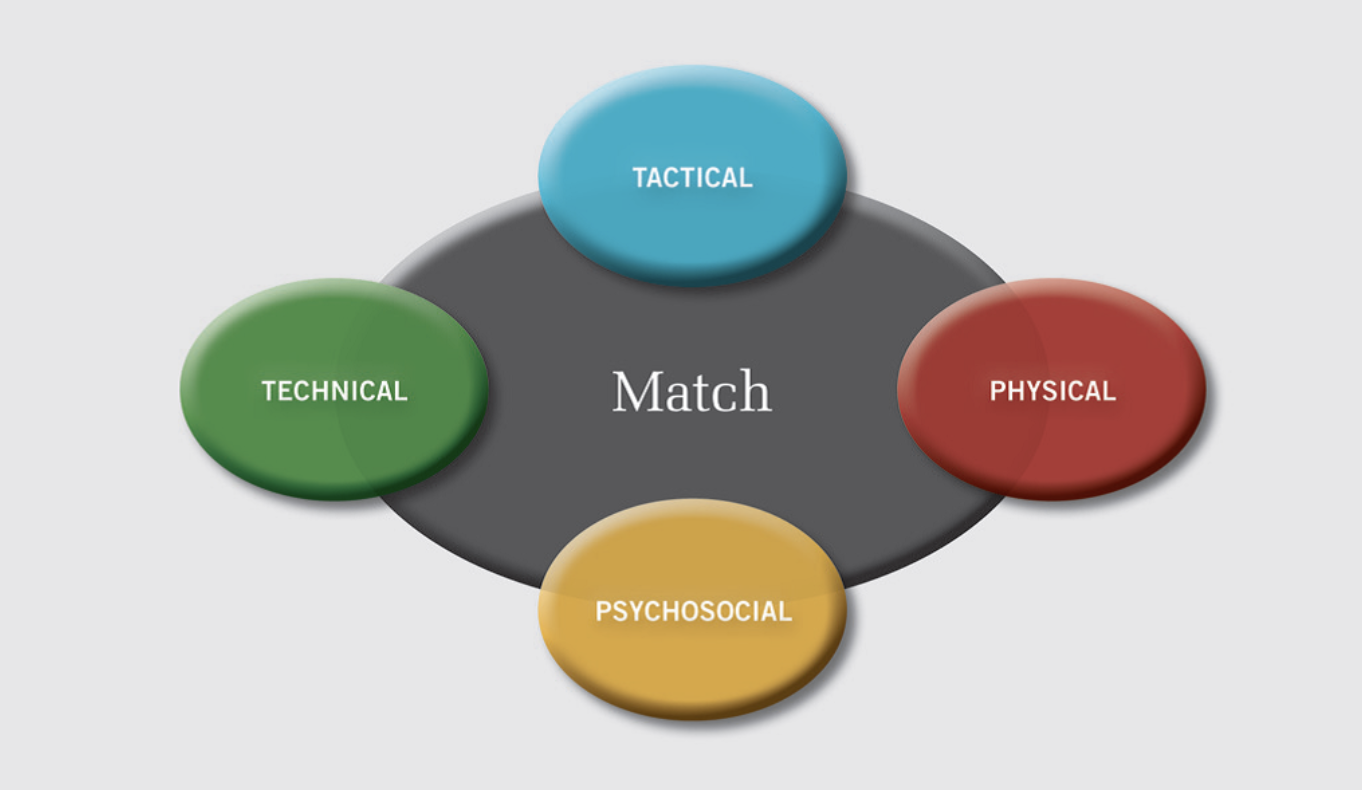
Four Key Components
-
Players learn how to think, adapt, and make decisions within the game.
The objective is to develop intelligent players who can read and respond to constantly changing situations.
-
Players build mastery of the ball.
Clean execution, consistency, and position-specific skills are essential to performing effectively in the game.
-
Players develop speed, strength, coordination, and resilience.
Physical readiness supports decision-making and reduces errors under pressure.
-
Players learn to manage emotions, build confidence, and compete with purpose.
Mindset and attitude are critical to long-term success.
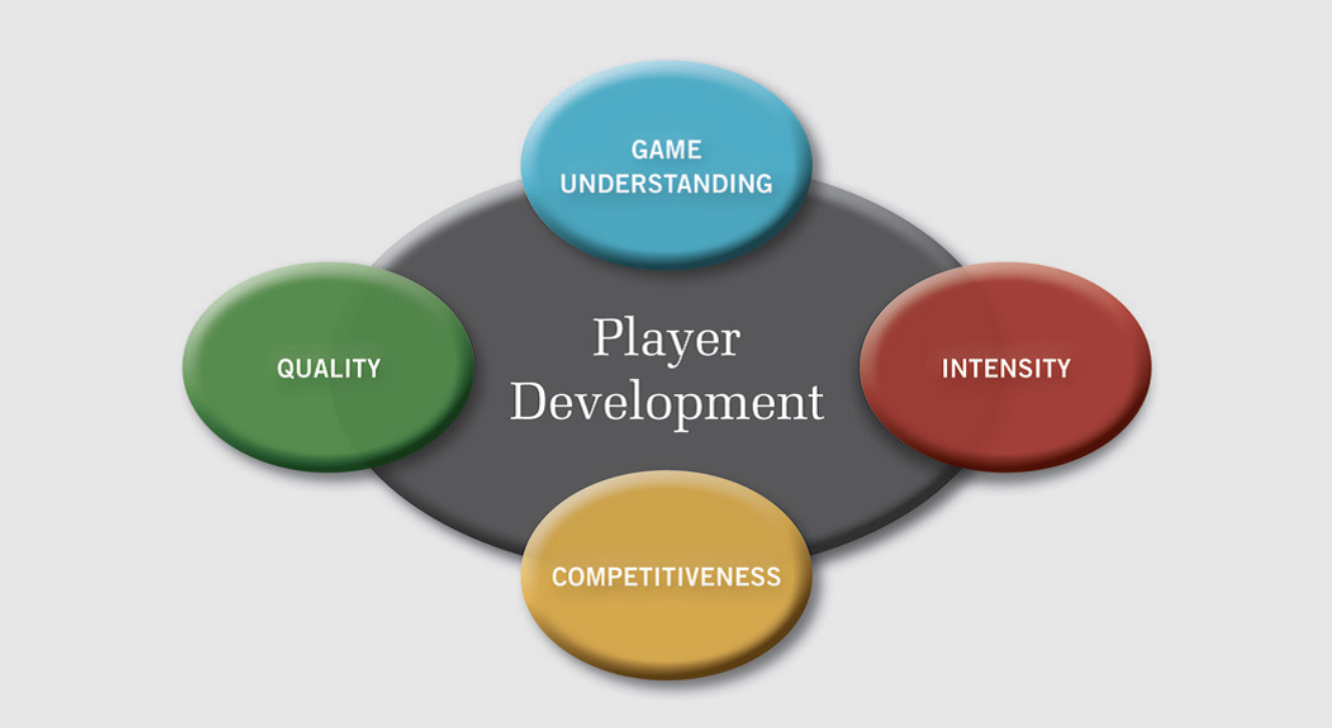
Four Complementary Components
-
Developing awareness, vision, and the ability to interpret game situations.
Players learn through exposure to varied and realistic scenarios.
-
Emphasis on clean, precise execution. Repetition in game-like conditions builds a wide range of effective technical solutions.
-
Training reflects the speed and demands of the game.
High-intensity environments develop both physical capacity and decision making under pressure.
-
Players are challenged in environments that require effort, focus, and resilience.
Healthy competition is essential to growth.
-
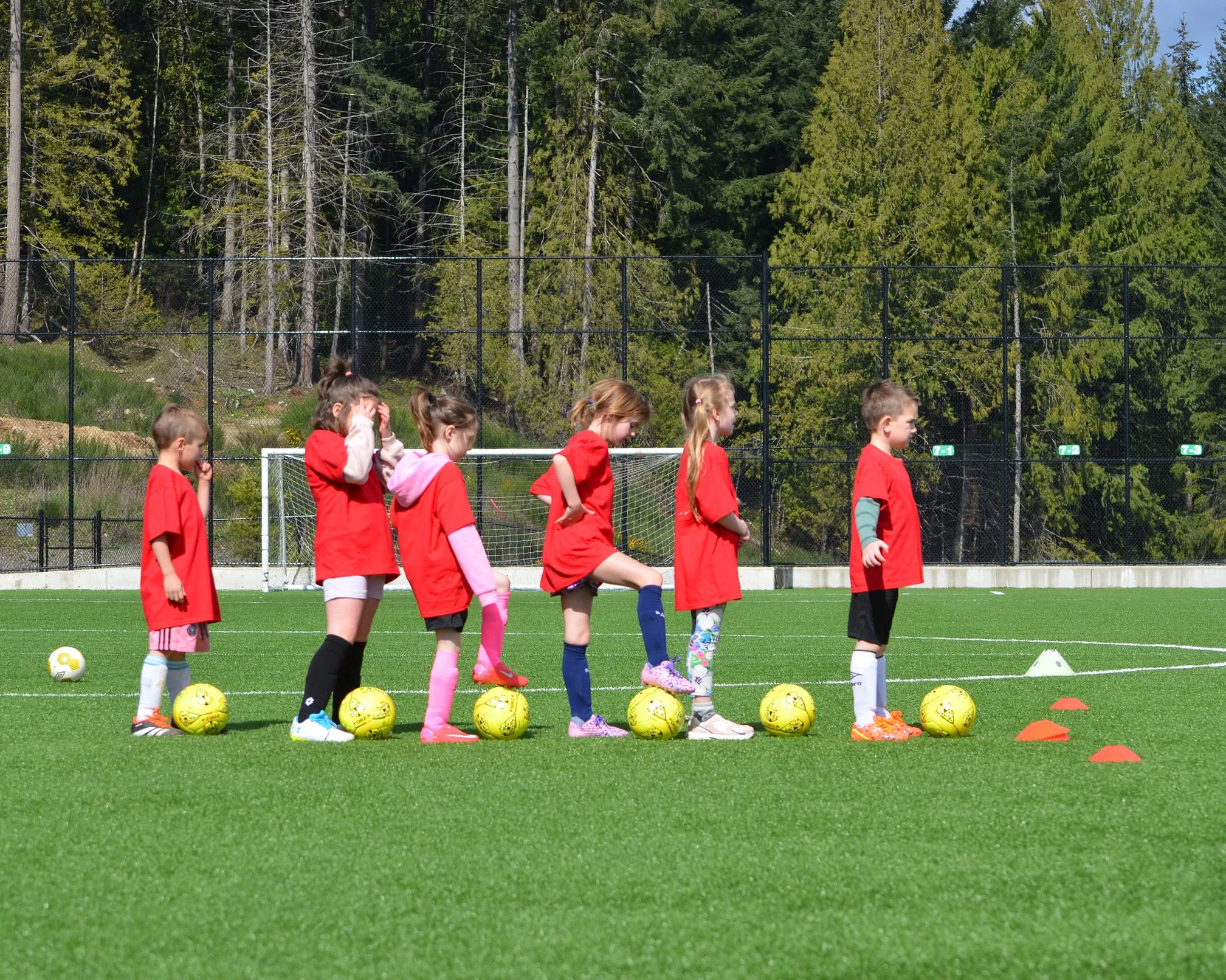
DISCOVERY CENTRE
The Discovery Centre (U3 to U10) introduces young players to the game in a fun, positive, and engaging environment.
Programs are designed to build physical literacy, confidence, coordination, and a love for the game through age-appropriate activities, small-sided play, and foundational skill development.
-
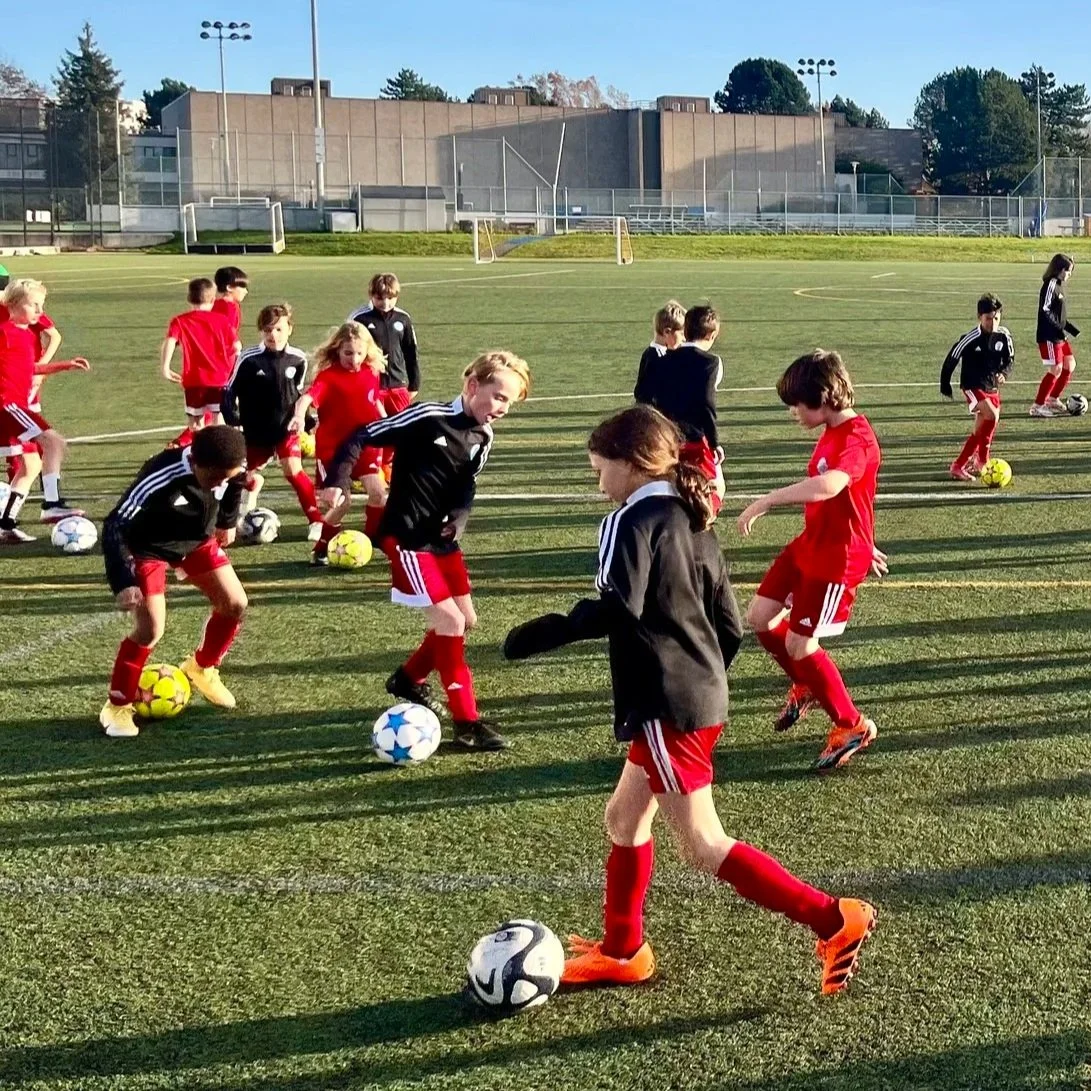
SKILL CENTRE
The Skill Centre (U10 to U13) is built in alignment with Canada Soccer’s Grassroots Standards and focused on long-term player development.
Players train in a structured, development-focused environment designed to strengthen technical ability, game understanding, confidence, creativity, and decision-making through purposeful training and small-sided play.
-
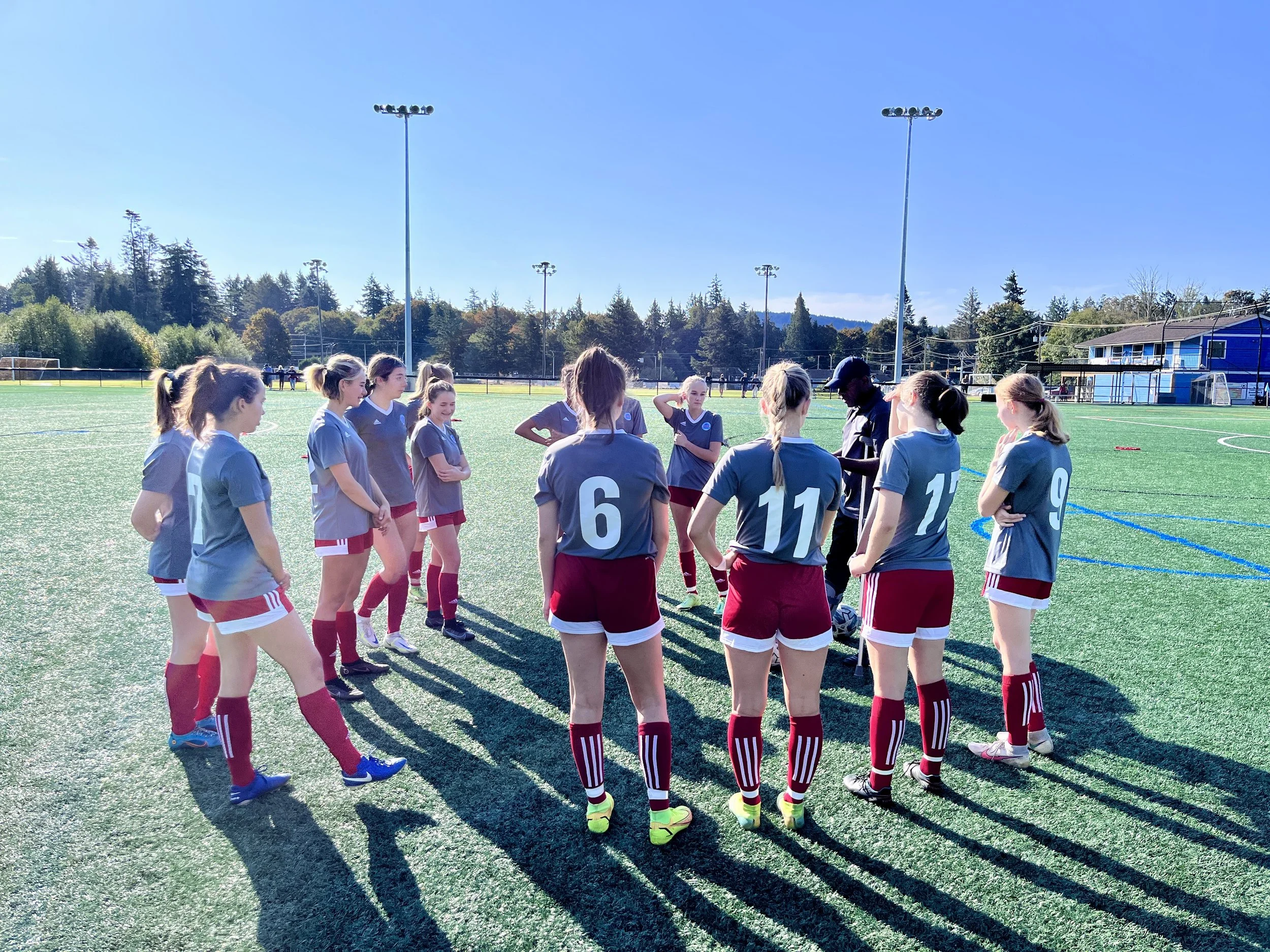
COMPETITIVE PROGRAM
The Competitive Program (U14 to U17) supports players who are committed to higher levels of training, competition, and long-term development.
Players train in a high-performance environment that mirrors BCSPL training standards, with a continued focus on technical development, tactical understanding, physical preparation, and game intelligence.
-

WIA NEXT STEP
WIA Next Step (U18+) provides an advanced training environment for players preparing for post-secondary, semi-professional, and higher-level playing opportunities.
The program helps players continue their development with high-level training, mentorship, and guidance on their path in the game.